Hail, wind, and water damage is not always visible from the ground. We inspect the roof and exterior, document the loss in photographs and measurements, and — when separately retained as a licensed Public Adjuster — assist you with preparing, presenting, and negotiating the claim.
(224) 604-6508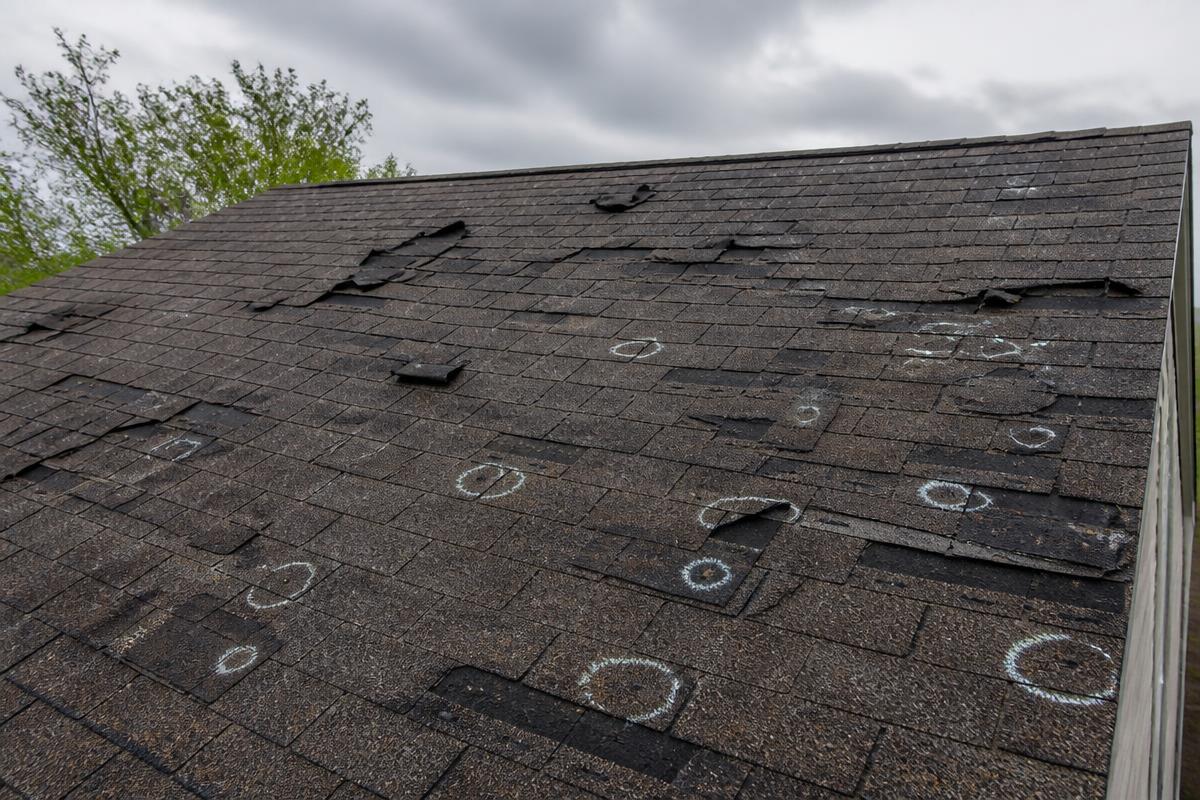
Illinois Licensed Public Adjuster
Christopher A. Aumiller is a licensed Public Adjuster in Illinois and Wisconsin
Public Adjuster services are optional and provided under a separate written agreement.
The 1234 Insurance Restoration Process
INSPECT. DOCUMENT. ASSIST. RESTORE.
You do not need a claim number to call us — many property owners reach out before they file. If a claim is already open, have your insurance company, claim number, date of loss, adjuster's contact information, the estimate they issued, and any damage photographs ready when we talk.
A licensed Public Adjuster represents the policyholder, not the insurance company, and knows how to read a policy and what the documentation needs to show. Coverage and payment decisions remain with your insurance company under the terms of your policy.
Disclosure Regarding the Claim Process
Property insurance policies obligate the insured to present a claim to his or her insurance company for consideration. There are three types of adjusters that could be involved in that process.
Certified Property Insurance Appraiser
Christopher A. Aumiller holds the Certified Property Insurance Appraiser designation from the Insurance Appraisal and Umpire Association. Most property policies include an appraisal clause: when the policyholder and the insurance company cannot agree on the amount of loss, each side may name an appraiser, and the two appraisers select an umpire if needed. That training means the scope, measurements, and documentation on your claim are prepared to the standard that process requires.
Step by Step
Either the policyholder, the public adjuster acting on behalf of the policyholder, or the insurance company sends a formal, written demand to trigger the appraisal clause.
Each side hires and pays for its own independent, qualified appraiser — often experienced contractors or adjusters. Under most policy provisions this is a separate charge to the policyholder; outside appraisers typically charge $1,200 to $2,000 depending on the amount and scope of loss.
The two appraisers pick a neutral, third-party umpire. If the appraisers cannot agree on a final number later, the umpire steps in.
The appraisers inspect the residential or commercial roof, review photos, measurements, and building codes, and work toward an agreed estimate.
If the two appraisers agree, that amount is final. If they disagree, the disputed items go to the umpire. An agreement signed by any two of the three sets the final binding award.
Please note: hiring an appraiser is a separate charge, paid by you as provided in your policy, and is not included in roofing or public adjusting services. Outside appraisers usually charge $1,200 to $2,000 depending on the amount and scope of the loss. The umpire's fee, when one is needed, is shared by both sides.
Roofing and Public Adjuster services are separate professional services requiring separate written agreements. Customers who retain Public Adjuster services are not required to select 1234 Roofing to perform construction work.
Coverage and claim-payment decisions are made by the insurance company according to the applicable policy. No claim result, coverage determination, payment amount, or roof replacement is guaranteed. Property owners remain responsible for their insurance deductible.
Call and tell us what the roof or exterior is doing. We look it over, photograph it, and put your options in writing.
(224) 604-6508